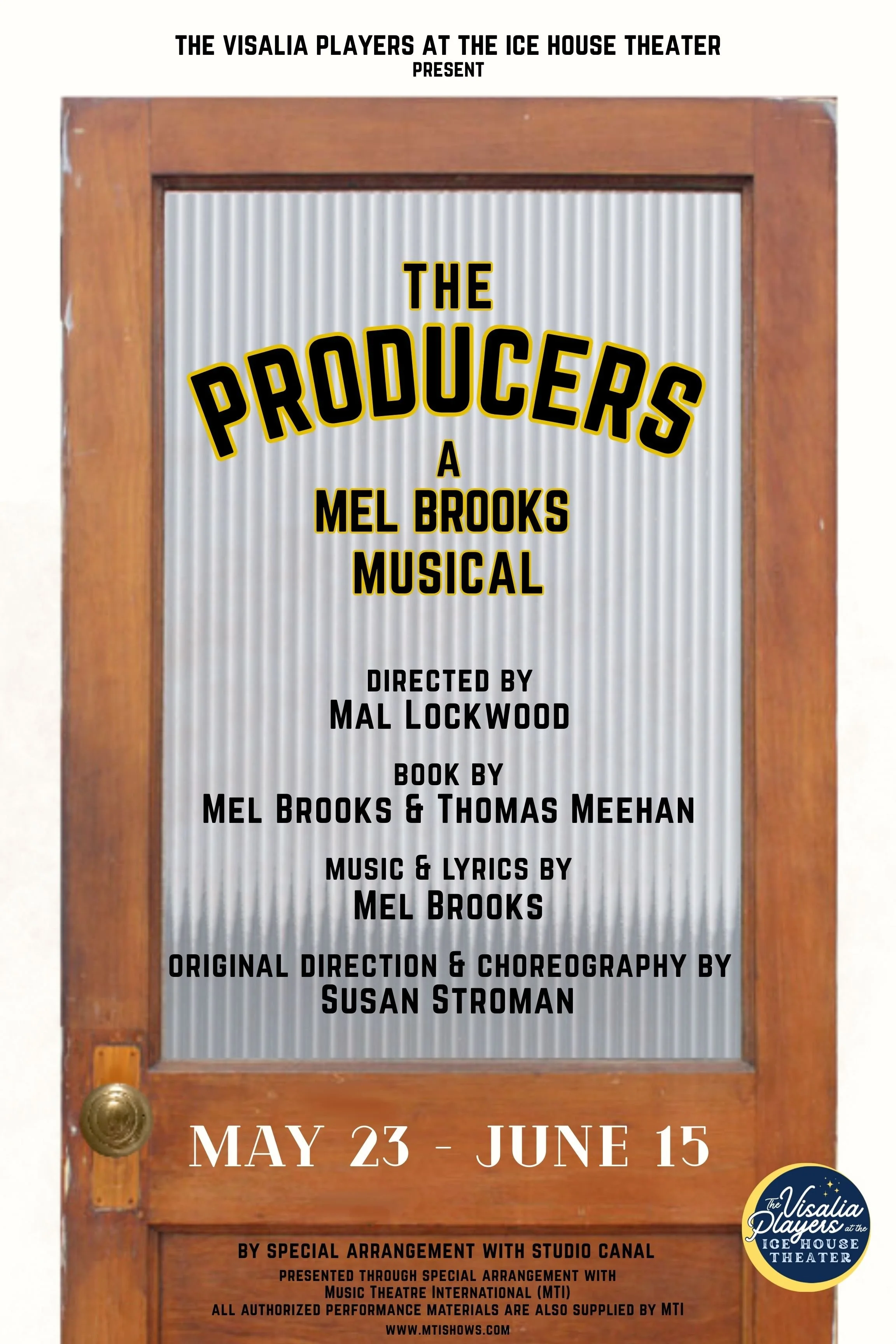
The Producers
Director, Scenic and Media Designer, Technical Direction
Ice House Theater - Visalia, CA
Director: Mal Lockwood
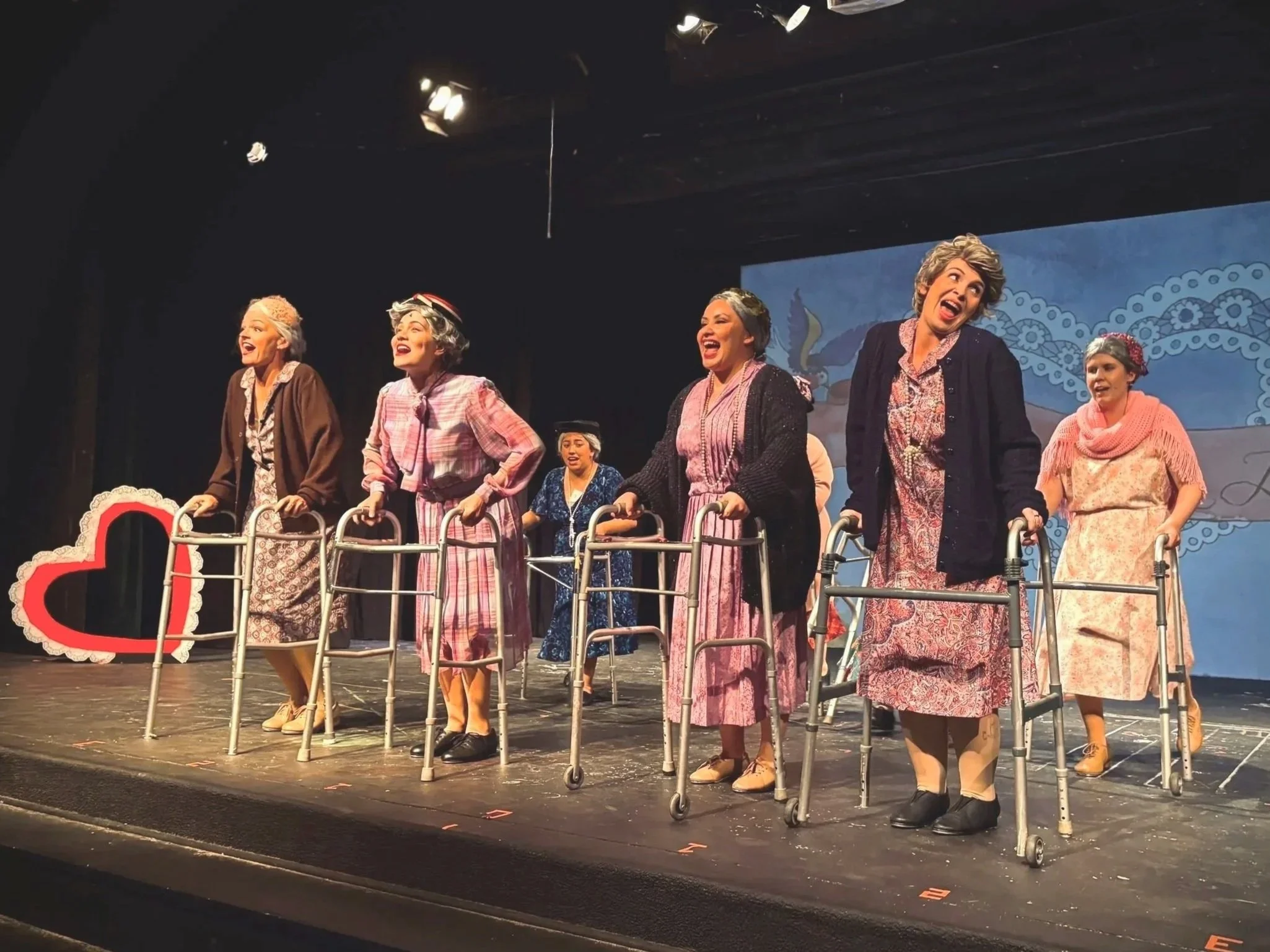
The Producers was mounted at the Visalia Ice House on a total budget of $2,000. Designed for a venue without a fly system and supported entirely by volunteers, the project required a scalable visual language, disciplined technical planning, and a collaborative community approach. The goal was to honor the scale and energy of a golden-era Broadway musical while intentionally stripping the physical build to its essentials and replacing excess with layered media, choreography, and precision timing.

Concept and Visual Language
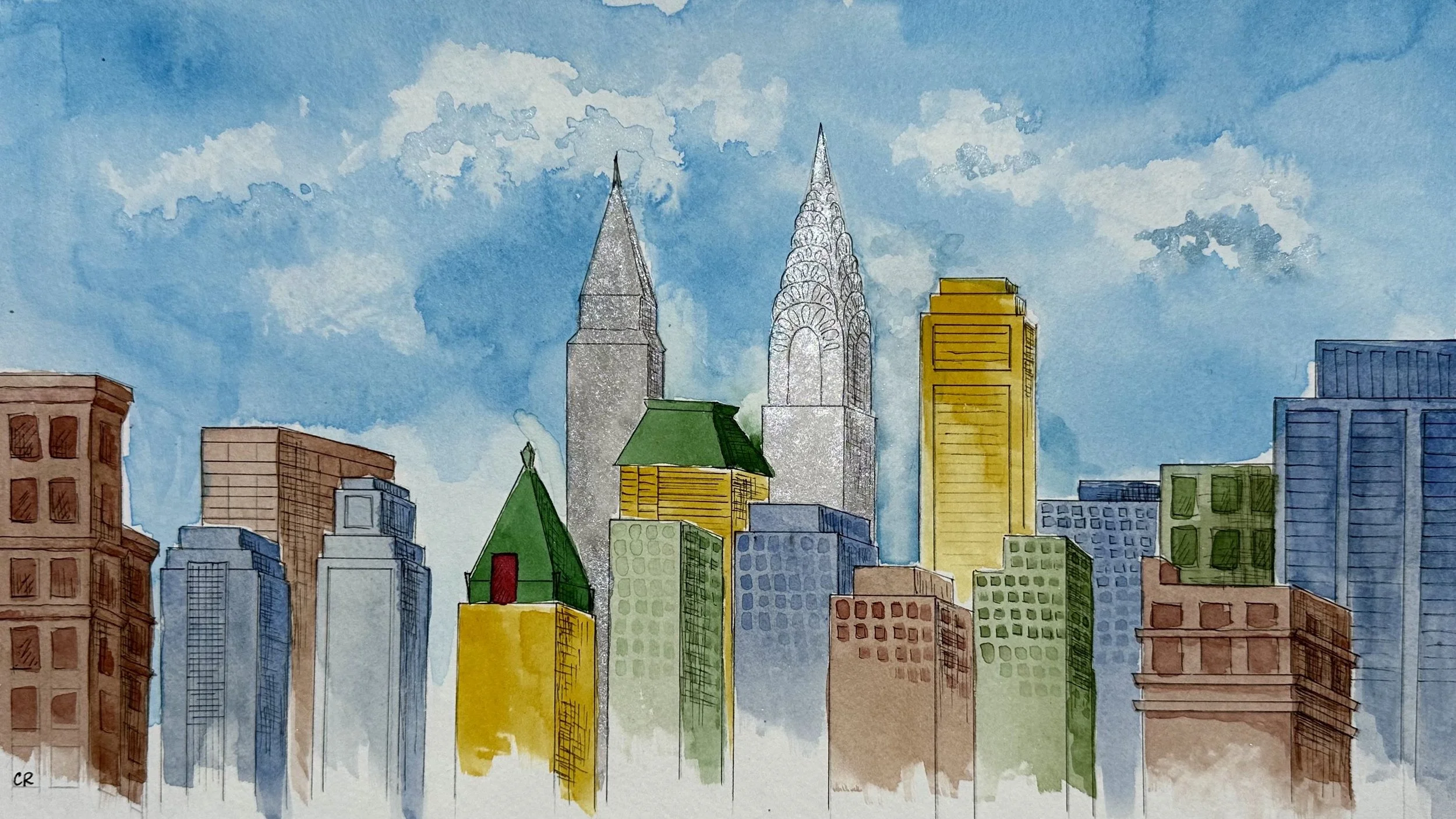
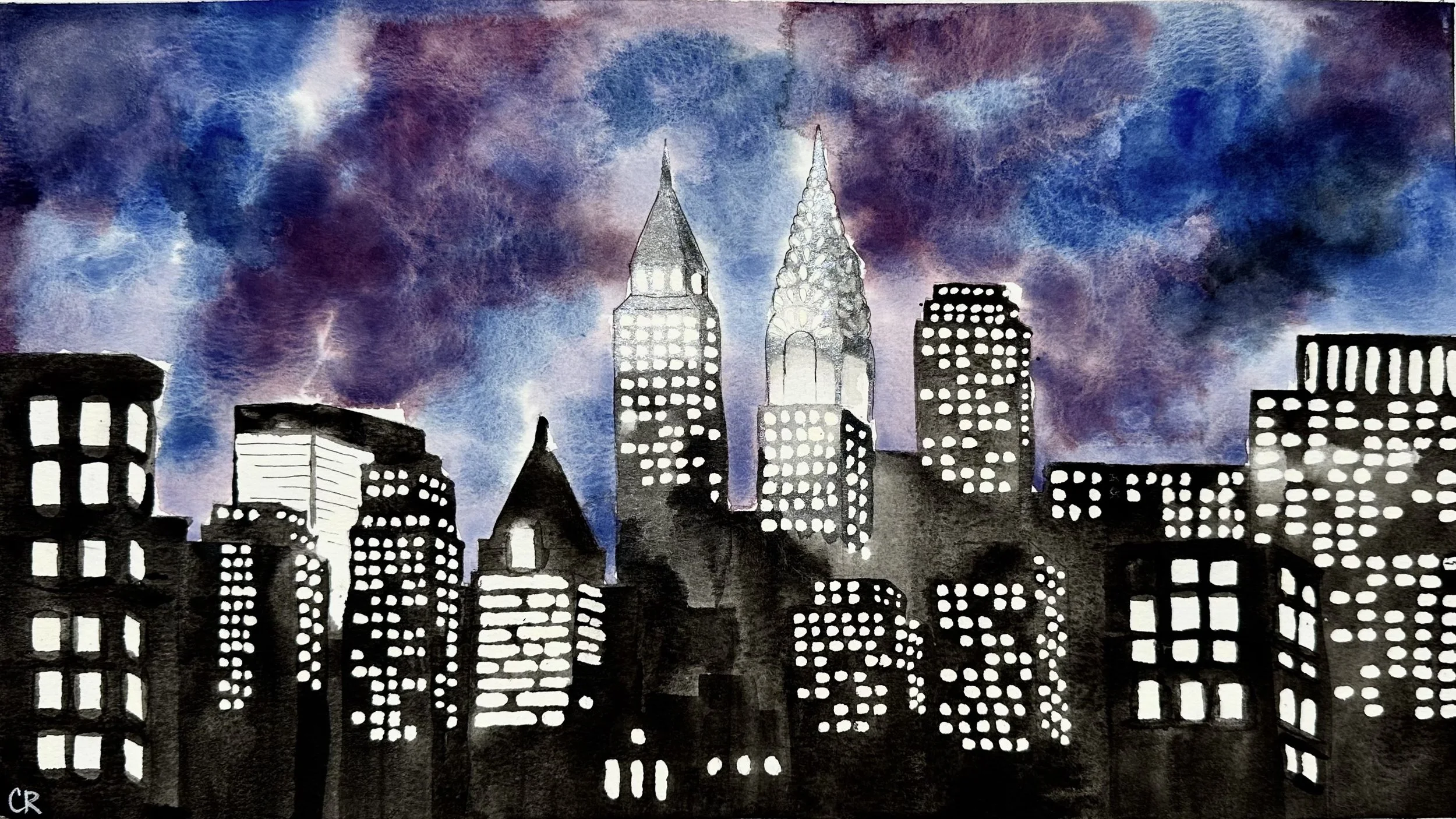
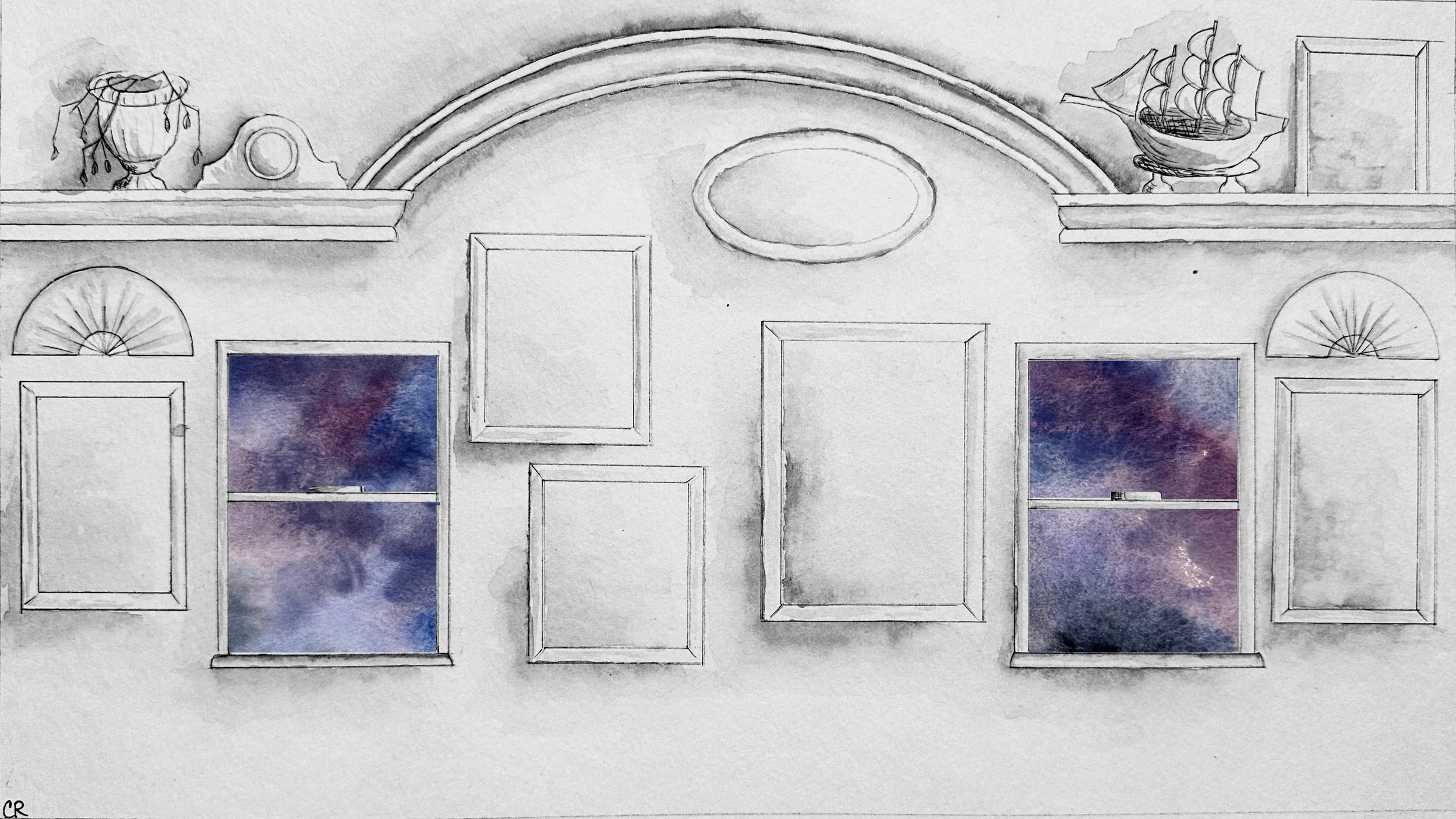
The core concept was classic 1950s Broadway spectacle presented through an open, projection-driven environment. Originally conceived for a fly house, the design was reimagined into a watercolor projection backdrop system with detailed physical elements staged in the foreground. Anything that would traditionally live on walls was represented in the projections, while only the most necessary physical pieces occupied the space.
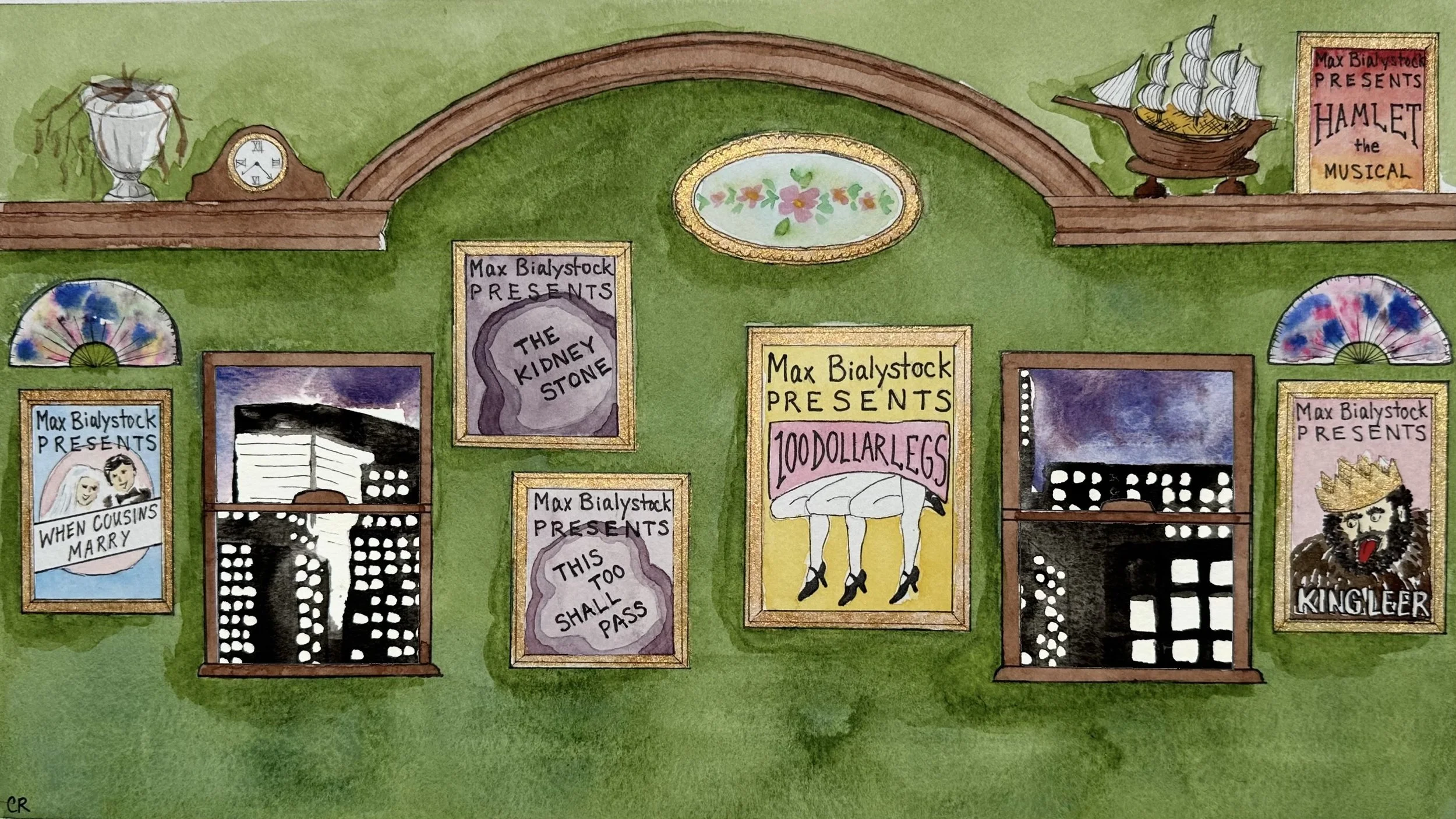
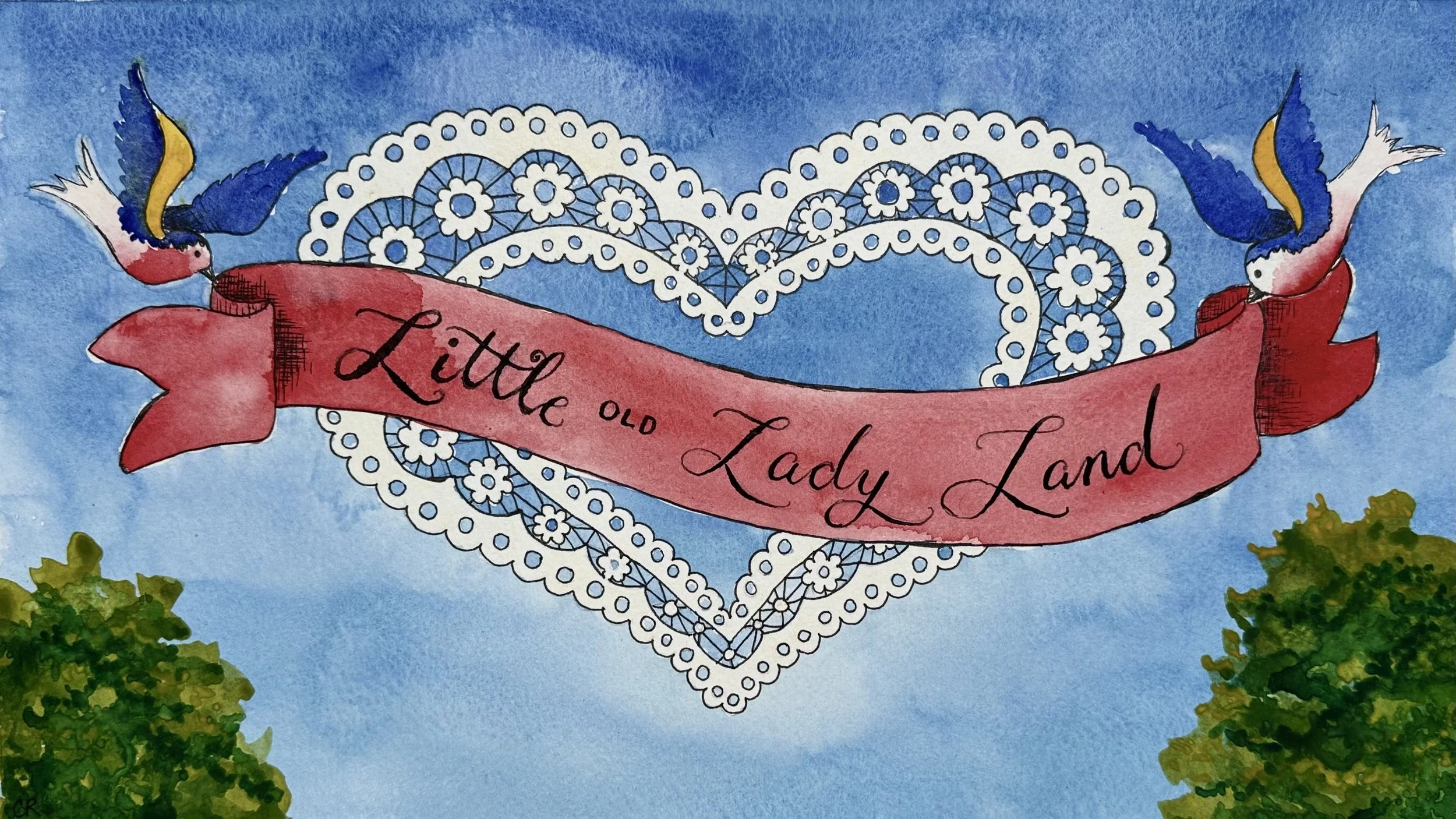
The backdrops were designed in collaboration with local artist Christa Reiber, whose watercolor interpretations of New York City formed the visual foundation of the show. These backdrops were intentionally treated as theatrical drops rather than illusionistic scenery. Scene transitions were programmed to resemble old-fashioned flown drops, a detail that resonated strongly with longtime theatergoers and reinforced the production’s self-aware theatricality.
This approach allowed the production to embrace artifice, move quickly, and deliver visual richness without attempting realism or forced perspective.
Process and Execution
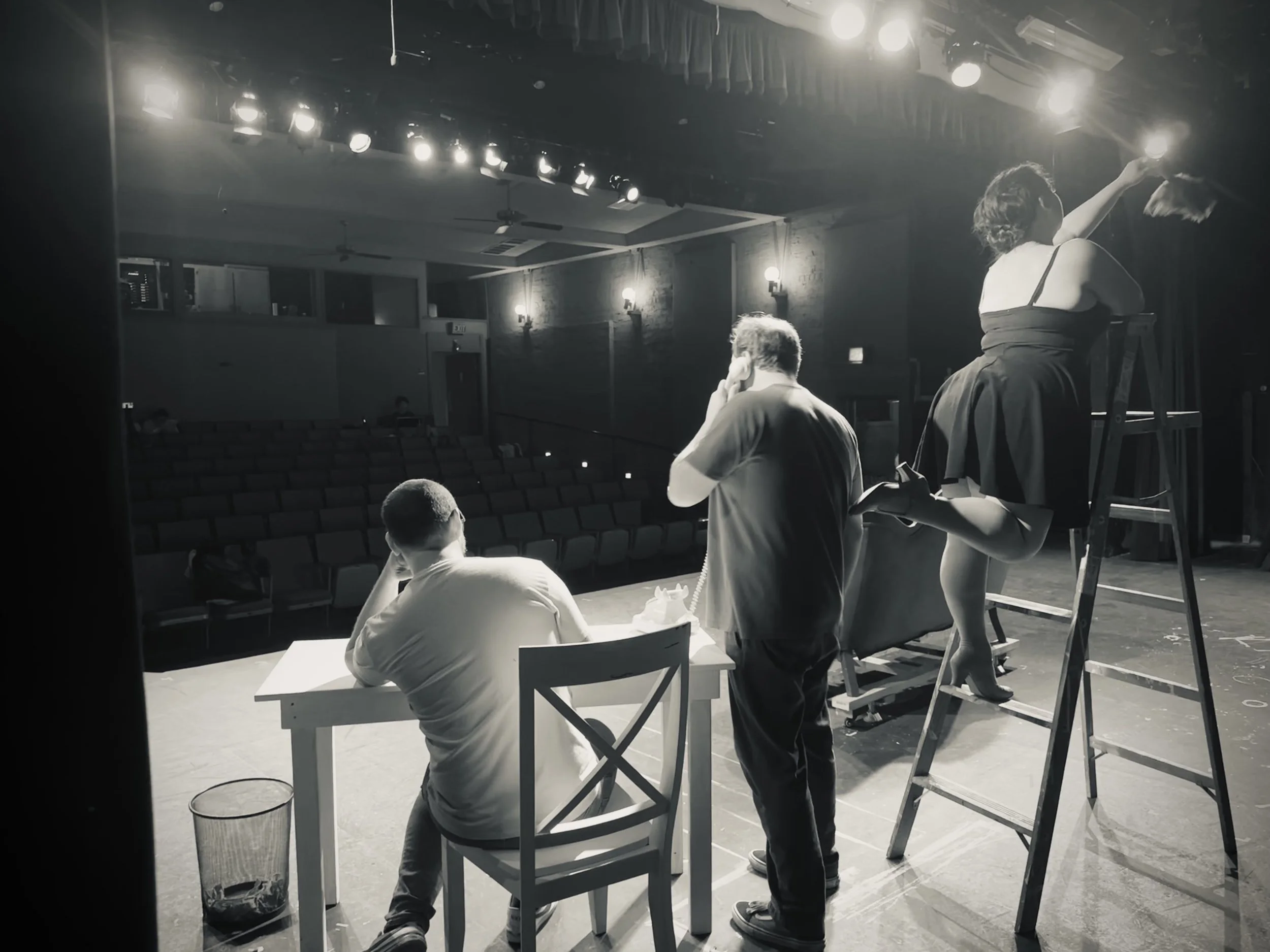
Scene changes were choreographed as intentionally as dance numbers. Transitions happened within the story rather than between scenes, often in full view of the audience. A seven-person crew was trained early to execute these moves with speed and confidence, eliminating downtime and maintaining momentum throughout the show.
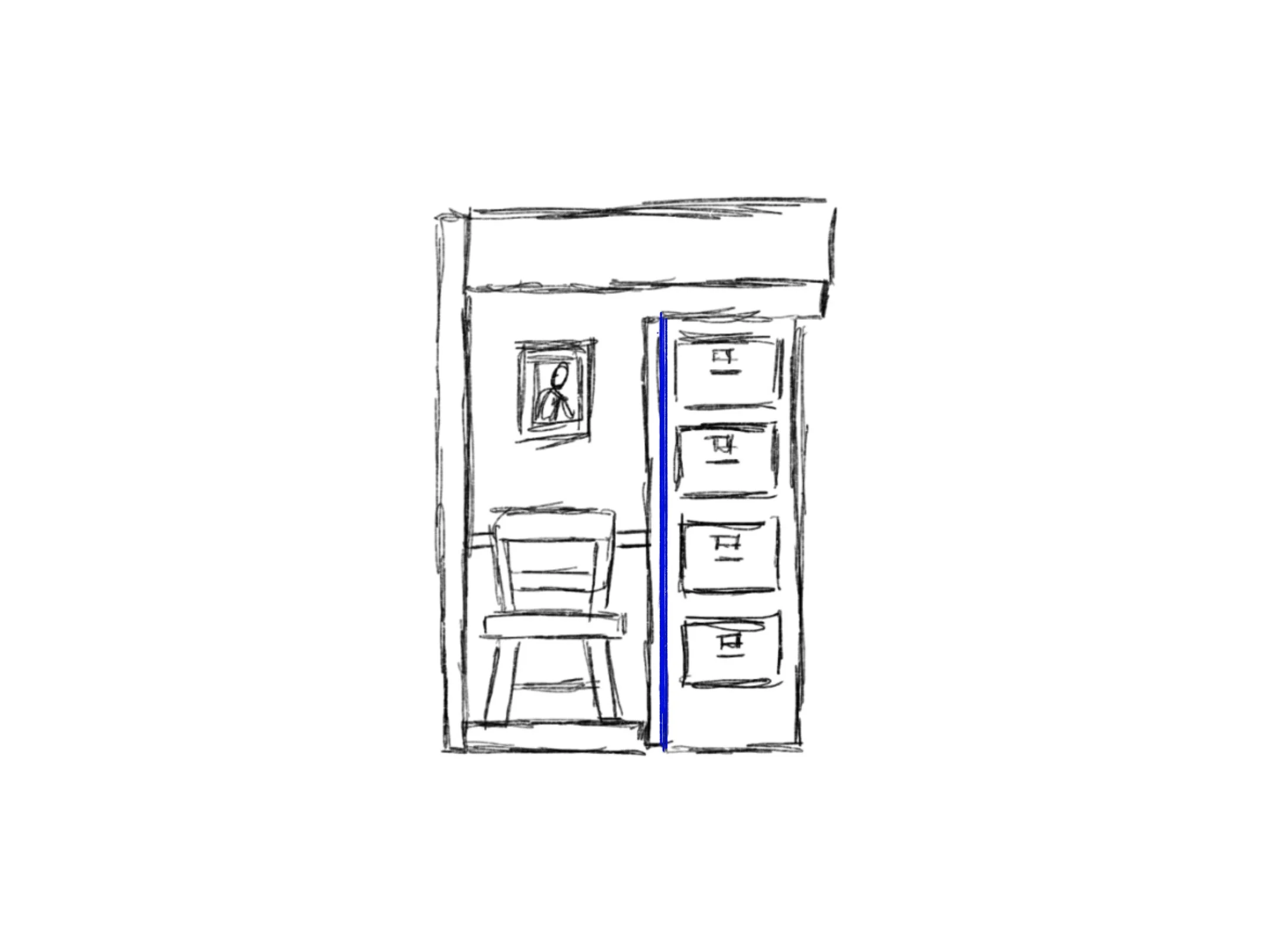
One of the most complex sequences was Leo Bloom’s dream, which used curtain movement, scenic reveals, and projection to shift fluidly between reality and fantasy. As the dream resolved, elements returned the stage to Max’s office exactly as it had been left, reinforcing narrative clarity while showcasing technical precision.
Challenges and Solutions
The primary challenge was scale. The Producers is traditionally staged with large, elaborate physical sets, and reimagining it for a micro-budget required reframing what was essential. By trusting the script, the performers, and the audience, the production replaced mass with intention.
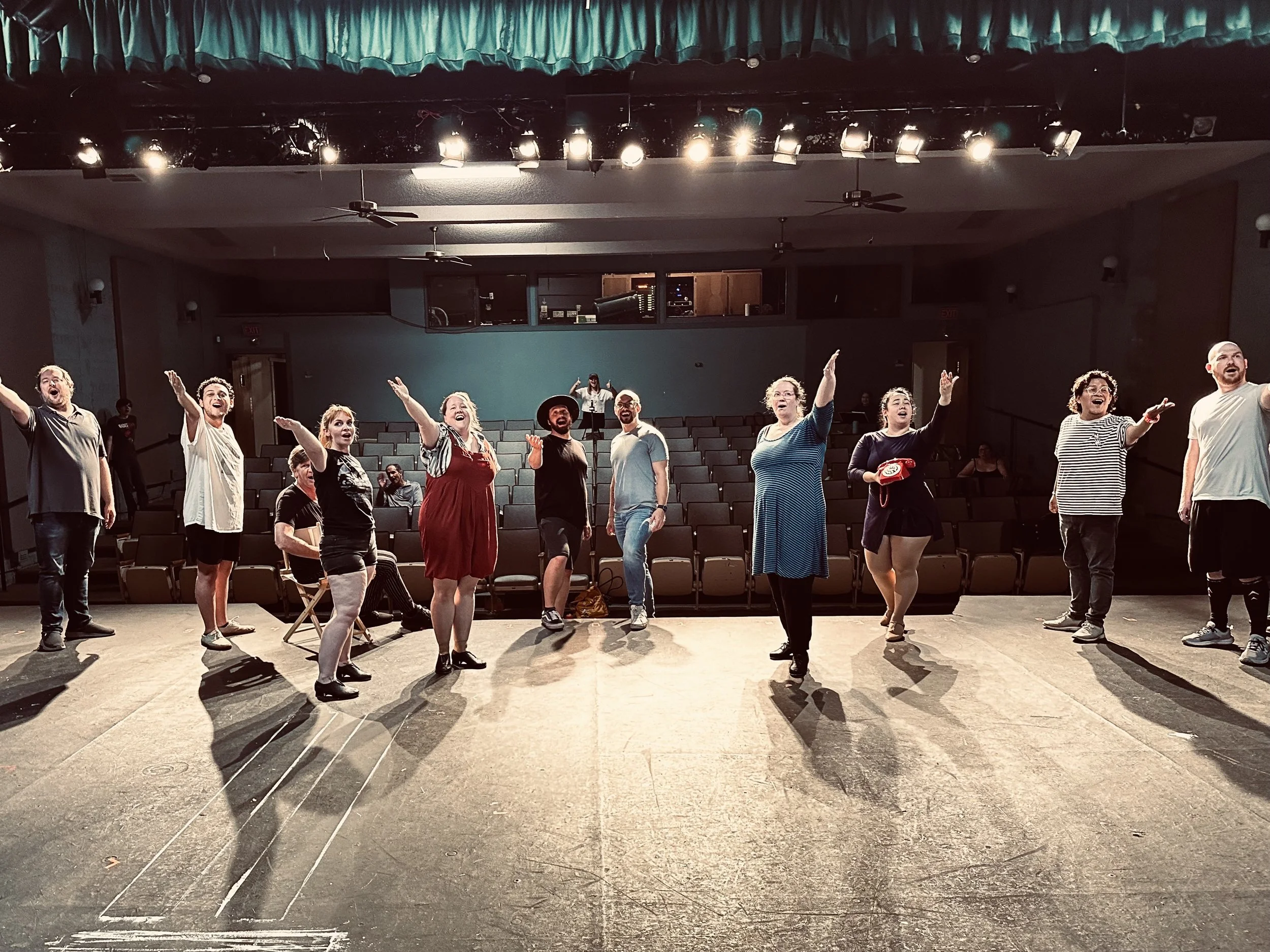
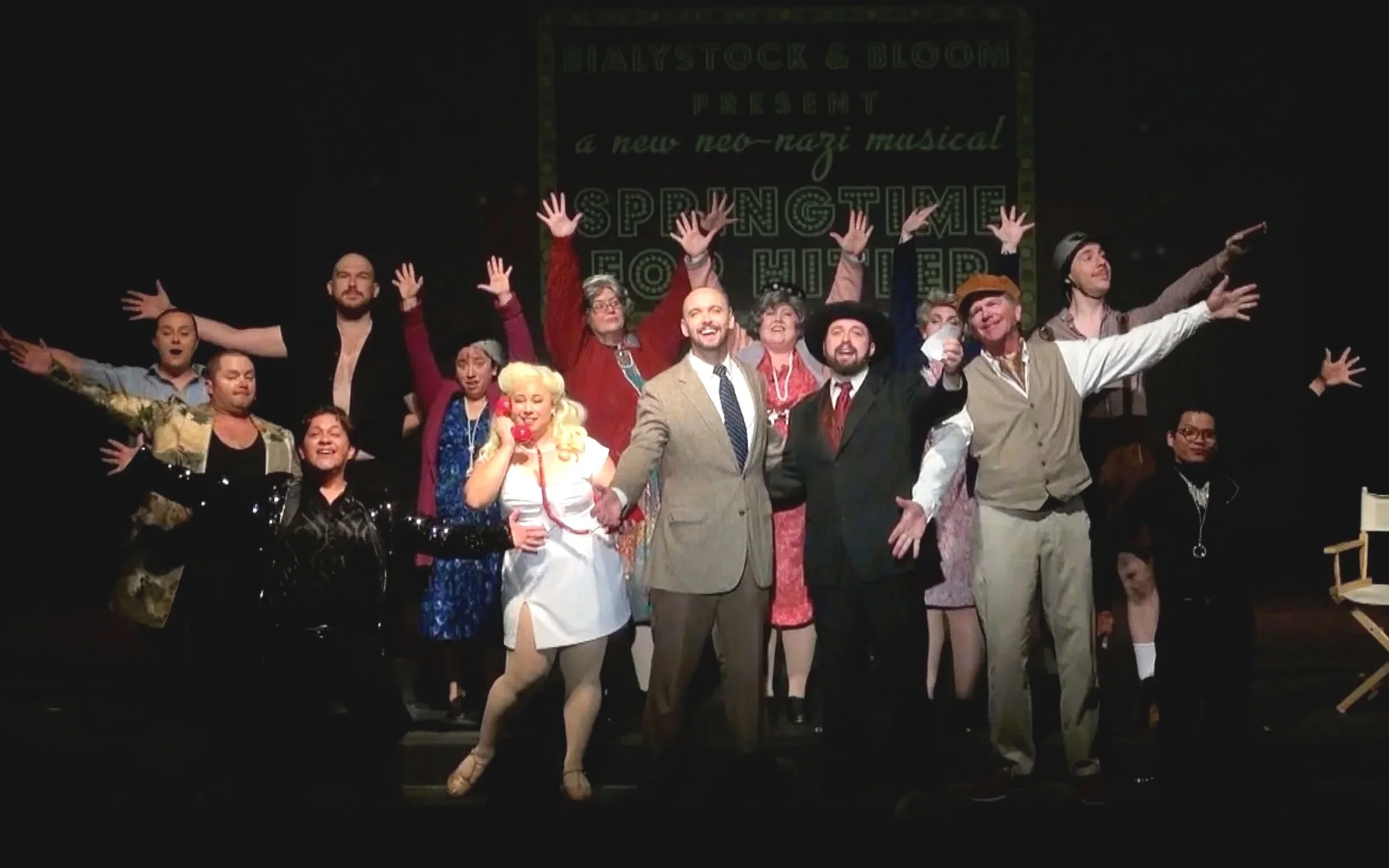
Community support made the project possible. Resources were borrowed from multiple local theaters and educational programs, including College of the Sequoias, Encore Theater Tulare, and Redwood High School. Nearly every scenic and technical element was the result of shared effort and creative problem solving.
Outcome and Reflection
What I value most about this project is the holistic result. Every department supported a single vision, and the limitations of space and budget ultimately sharpened the work rather than diminishing it.


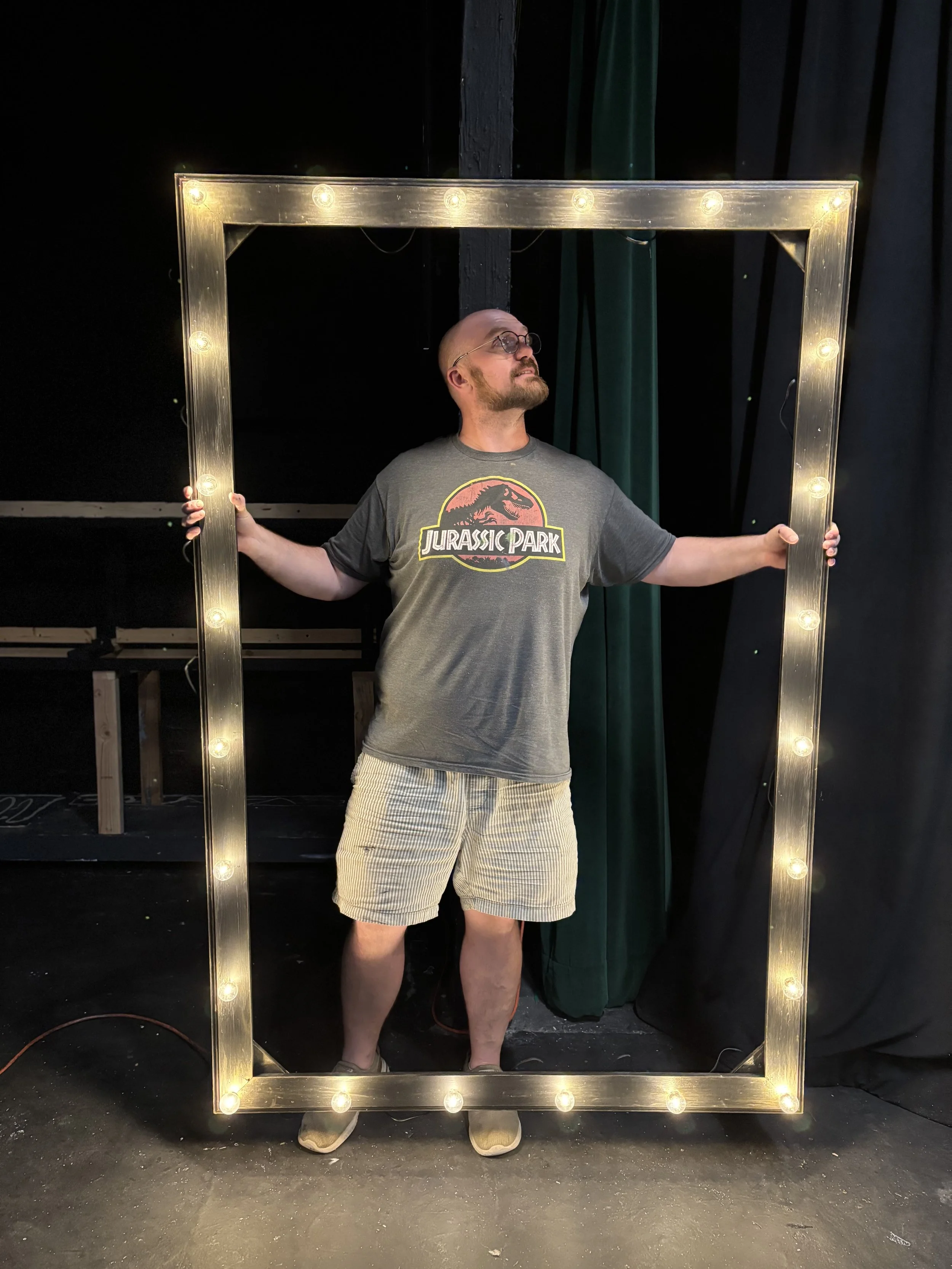
This production reinforced a guiding principle in my work: even the largest stories can be told simply, and when they are, they often become more powerful.